
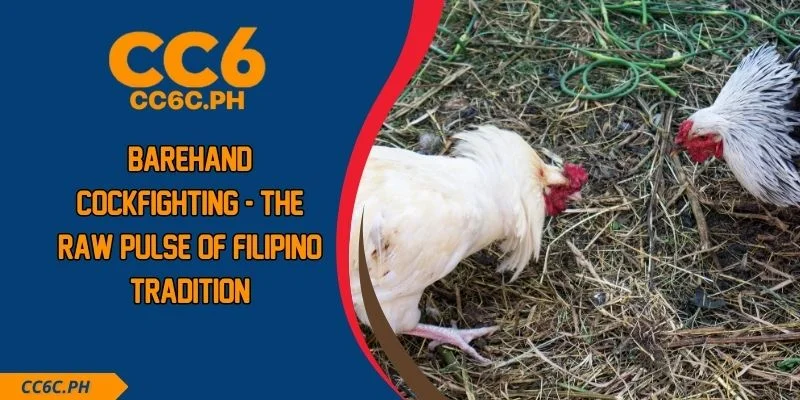
Barehand Cockfighting is more than a game, it’s a thrilling symbol of Filipino identity and tribal valor. With no blades or modern enhancements, fighters rely solely on natural power and instinct. This traditional spectacle draws crowds in both rural provinces and urban backyards. Thanks to CC6, you now have a front row view into this raw cultural practice.
What is barehand cockfighting in Filipino rural tradition?
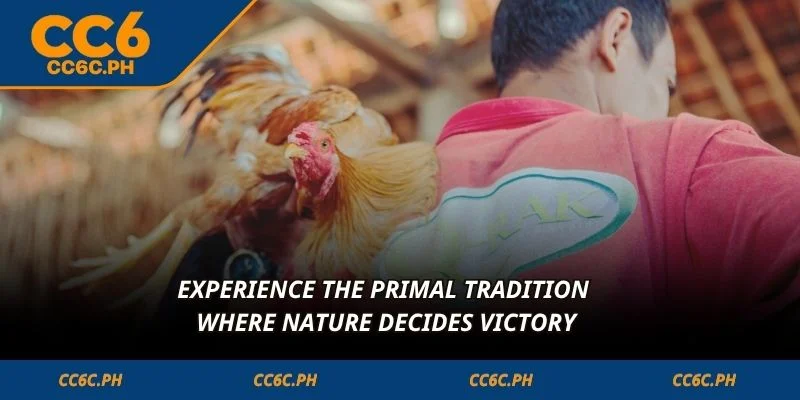
Filipinos have a deep cultural connection with cockfighting, known locally as “sabong.” But this game, or “Sabong Tukaan,” is the purest, most intense form. Unlike its commercial counterpart involving sharp gaffs (tari), this version bans all weaponry. Roosters fight only with their beaks, claws, and brute instinct, while handlers play strategic, real time roles. This setup transforms the match into a test of animal spirit, agility, and handler training.
It’s often practiced in mountain villages or off grid rings, fueled by tight knit communities. There are no glamorous arenas or betting booths, just dirt floors, handmade rings, and the thunderous chant of local fans. The environment is raw, honest, and fierce. It thrives in the Philippines’ southern islands and Mindanao regions, where ancestral customs remain unfiltered. Matches are officiated by tribal elders or respected locals rather than licensed referees.
Community members gather not only to witness the bout but also to celebrate camaraderie and ancestral rites. One hundred years back, this was the only format known, no gloves, no enhancements. What you’re watching today is not a revival. It’s a survival of something raw, primal, and profoundly Filipino.
Why barehand cockfighting still lives on today proudly
Before diving into the bullets, understand this: this is not about cruelty, it’s about community legacy.
- Cultural significance: Rooted in pre colonial rituals, it’s a form of honoring ancestors and settling disputes. These events often coincide with village festivals or tribal ceremonies to maintain spiritual harmony.
- Local economy: Handlers, breeders, and herbal vets build entire livelihoods around maintaining strong bloodlines. The industry supports feed suppliers, coop builders, and local marketplaces as well.
- Community bonding: Every Barehand Cockfighting becomes a mini fiesta, bonding neighbors through chants, cheers, and shared food. It’s a chance for multiple generations to connect over stories, music, and celebration.
- Natural equality: No metal spurs or artificial boosters, just natural strength and fair chances. This fairness ensures admiration is earned solely through instinct and preparation.
- Training wisdom: It reflects generations of breeding wisdom, proper feeding, and spiritual connections with animals. Many families pass down secret formulas and daily routines from parent to child.
- No gambling focus: Unlike mainstream sabong, many barehand matches are wager free or with symbolic bets only. This shifts the focus to tradition, honor, and the performance itself.
- Civic pride: Rural barangays treat their top birds like national heroes, crowning champions with ceremonies. Victorious roosters are sometimes paraded or painted in tribal colors as a sign of respect.
Cultural layers behind traditional barehand cockfighting
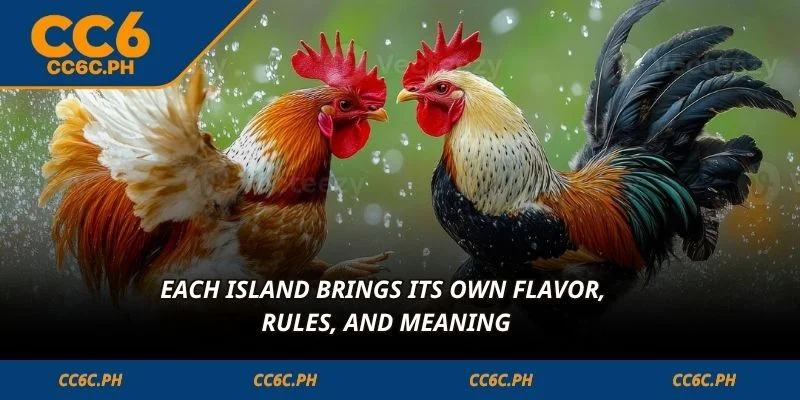
As you explore deeper, you’ll find this game isn’t a monolith. The practice differs across islands and tribes. Let’s break it down into its cultural forms:
Tribal ceremonies in Mindanao
In Mindanao, especially among the Manobo and Lumad groups, Barehand Cockfighting is tied to spiritual rites. Before matches, birds are blessed with herbs or prayers to invoke ancestral guidance. Matches are quiet at first, then explode into rhythmic drumming and choreographed chants. Fights here aren’t always about winning, but about channeling energy into the earth.
Birds often train alongside children and are treated as household members. Young boys learn by feeding, bathing, and walking roosters, gaining early responsibility. Local legends speak of birds who’ve defended villages or carried dreams, myths passed from father to son.
Barehand cockfighting in urban backyards
In cities like Davao and even parts of Quezon City, a new wave of hobbyists revive match in their homes. These are weekend warriors, barbers, carpenters, and even BPO agents, gathering for backyard sessions. They don’t seek fame but a return to raw instincts. Matches are streamed on Facebook Live, often with just 10–20 viewers, keeping it intimate.
No blaring music. No beer ads. Just friends, feathers, and food. One popular Facebook page even hosts monthly “CC6 Backyard Classics,” a digital shoutout to influence in documenting real grassroots sabong.
Coastal island rituals
Along the shores of Siquijor and Bohol, Barehand Cockfighting blends with coastal spirituality. Some elders believe victorious birds possess healing auras or serve as spirit guides. After each fight, villagers light candles near altars, offering thanks for safety and bravery. The fights occur near full moons or seasonal tides, believed to balance animal energy and sea spirits. In these areas, no bird is discarded. Even after defeat, roosters are pampered, and spoken to like kin.
What truly makes it different from mainstream sabong
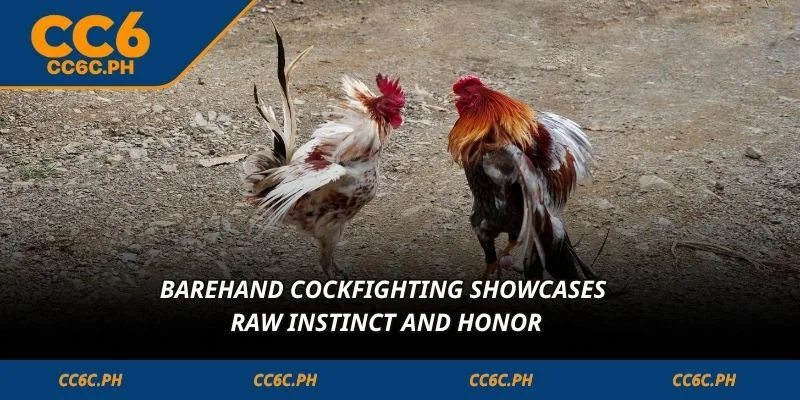
One major difference lies in preparation. Unlike mainstream sabong where birds undergo injections, harsh sparring, or artificial stimulation, barehand fighters train through daily natural exercise. They walk on sandy trails, chase leaves, or stretch wings in bamboo pens. Their diets consist of boiled bananas, raw eggs, and ginger root teas, traditional recipes to boost lung strength and stamina.
Handlers also play more emotional roles. They’re not just trainers, they’re mentors to Barehand Cockfighting Some even sleep beside their birds, singing lullabies or playing kulintang music to instill calmness. The battle format is also unique. Instead of timed rounds or referees, matches end when one bird surrenders naturally, either by walking away or lying down.
There’s silence. Then a slow clap. Then we shared food. Everyone leaves with pride, not profit. The entire match lasts under three minutes, yet every second pulses with history. Where commercial sabong races for money, barehand bouts walk slowly through legacy.
View more: Cross-border Cockfighting – The Rise Of Online Sabong
Conclusion
Barehand Cockfighting stands not as an underground relic but a living heartbeat of the Filipino spirit. It’s where instinct meets history, and feathers carry the weight of tradition. In a world rushing forward, this practice reminds us to honor what came before. Thanks to CC6, audiences around the globe can now witness the truth: real pride doesn’t wear blades, it walks on claws.





